


20-10-2023
2023 annual meeting of European mediators in the energy sector
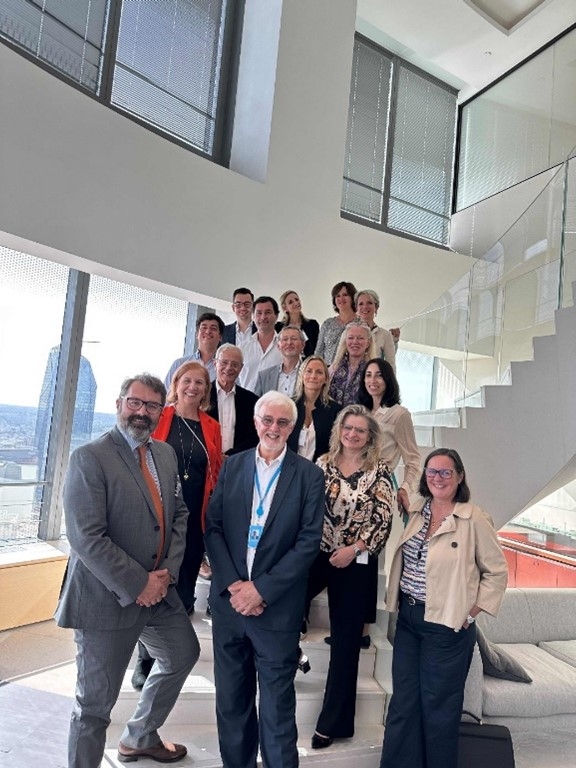
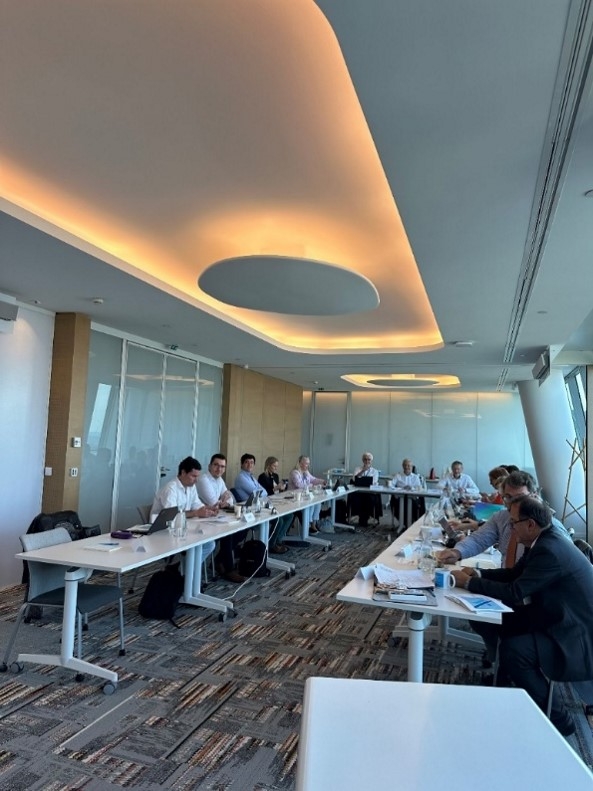
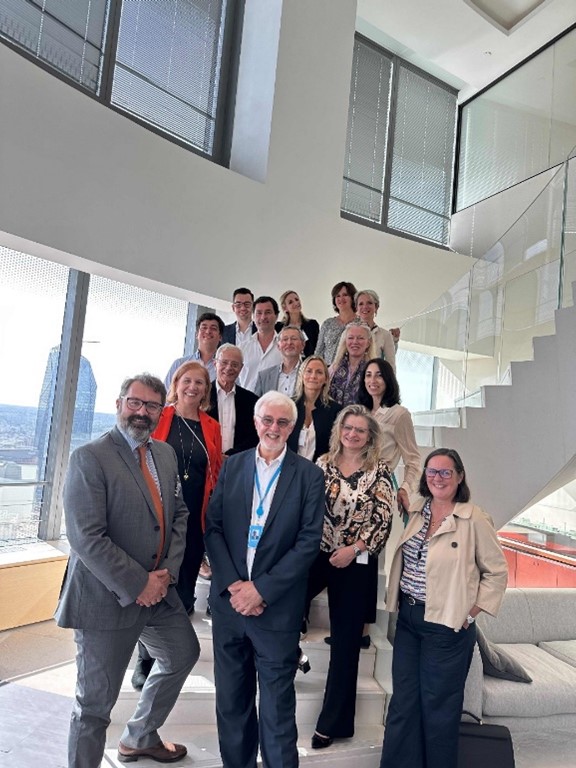
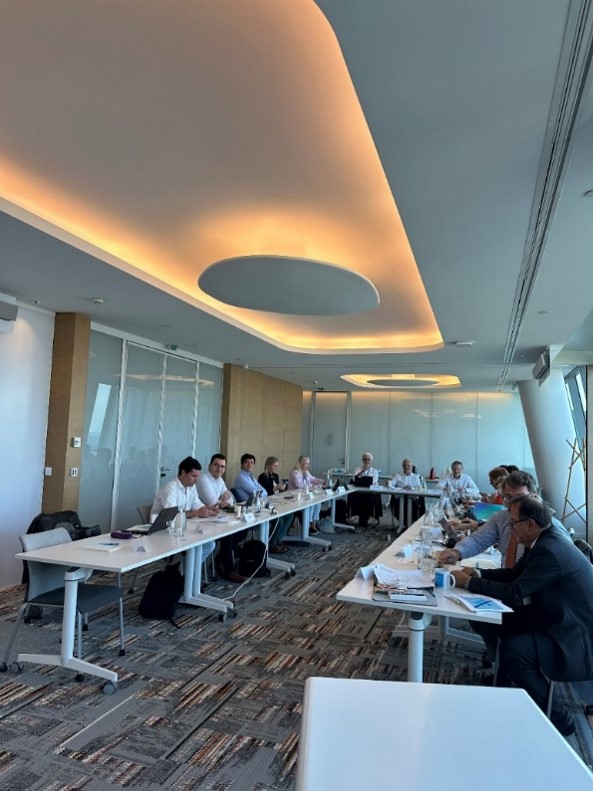
The EEMG Annual Meeting was held in Paris on 5 and 6 October 2023. The change of presidency of the EEMG, important issues related to the energy crisis of 2022 and the ongoing project to revise the European ADR Directive were the main topics discussed this year.
The members of the Association of European Energy Mediators met this year in Paris, co-organized by The Ombudsman for ENGIE Group and the EDF Group Mediation, on 5 and 6 October 2023. The sharing was rich, on the one hand due to the change of Presidency within the EEMG, but also due to the important news related to the energy crisis of 2022 (sharing on the consumer protection practices implemented in each member country and responses from mediations), and the ongoing project to revise the European ADR Directive (Alternative Dispute Resolution of Consumer Disputes).
Change of President of the EEMG
Prof. Luis Valaderes Tavares was unanimously elected President of the EEMG. Mediator of the EDP / E-Redes Group and SU Eletricidade (Electricité du Portugal), he succeeds Bénédicte Gendry, former mediator of the EDF Group, who has been replaced by Olivier Fontanie.
Main facts and figures for the EEMG's activity in 2022:
- In a territory representing 58 million European consumers for all the mediations represented by the EEMG, 13,372 referrals were received in 2022, 89% came from consumers.
- More than 6,050 mediations were processed, up 33% from 2021. Contract disputes have increased the most.
- The acceptance rate of solution proposals is over 93%.
- A total of 46 recommendations for improvement were issued by the EEMG's mediation bodies to suppliers and distributors of gas or electricity or services related to energy efficiency.
The revision of the ADR Directive on the framework for consumer mediation in Europe.
On 17 October 2023, the European Commission proposed a first revision of Directive 2013/11/EU of 21 May 2013, again with the aim of strengthening consumer confidence by promoting the use of out-of-court and amicable settlements in consumer disputes.
The main new provisions are:
- repeal the little-used Online Dispute Resolution Platform Regulation;
- extend the material scope of competence of mediators (Article 2 of the Directive), as the Directive only covers disputes arising from contractual obligations: for example, with regard to misleading price indications, discriminatory practices, the quality of pre-contractual information, etc.;
- encourage the participation of professionals in the ADR, which remains voluntary, but with the new obligation to respond within 20 days to the mediator's request to enter into mediation;
- grouping similar cases together for processing by the Ombudsman, and if ADR procedures are automated, provide the opportunity for the issue to be examined by a natural person;
- develop cross-border cases and extend the geographical scope of competence of mediators;
- provide for the use of digital ADR procedures using tools that are easily accessible and inclusive for vulnerable consumers.
- Provide the possibility to publish condensed activity reports every 2 years.
All these proposals will be the subject of exchanges between the countries and the European Commission, so that they converge on a revision of the Directive, the spirit of which will remain of minimum uniformisation.
The EEMG expressed its position in 2022, in particular on the importance of preserving the diversity of mediation bodies in place in Member States that have proven their effectiveness for the benefit of consumers. In addition, with regard to the extension of admissibility, the EEMG agrees with the Commission's wording on the proposal to make the consumer's prior procedures with the trader more flexible (Article 1.3 amending Article 5 of the 2013 Directive) / the trader must not introduce "disproportionate rules" regarding access to mediation", for example by creating numerous mandatory prerequisite levels for the handling of a complaint. Level 1, customer service, then level 2, national complaints service, do not prevent access to mediation. Indeed, this makes it possible to maintain pressure on the energy provider to deal quickly (in less than 3 months) with its customers' complaints (and not to subcontract to mediation), and thus to preserve mediation, which will only deal with complex cases, as an alternative to justice, the very essence of an out-of-court amicable system.
The EEMG brings together the mediation bodies of the major European energy groups, including this year:
- ENGIE France, Italy, and Belgium (claims processing)
- EDF France and Italy,
- EDISON Italy,
- Waterfall Suède,
- EDP Group, E-Redes et SU Eletricidade Portugal,
- Framatome Germany.
- ENI Italy
- EON Italy
- Fondazione Banco dell'energia A2A